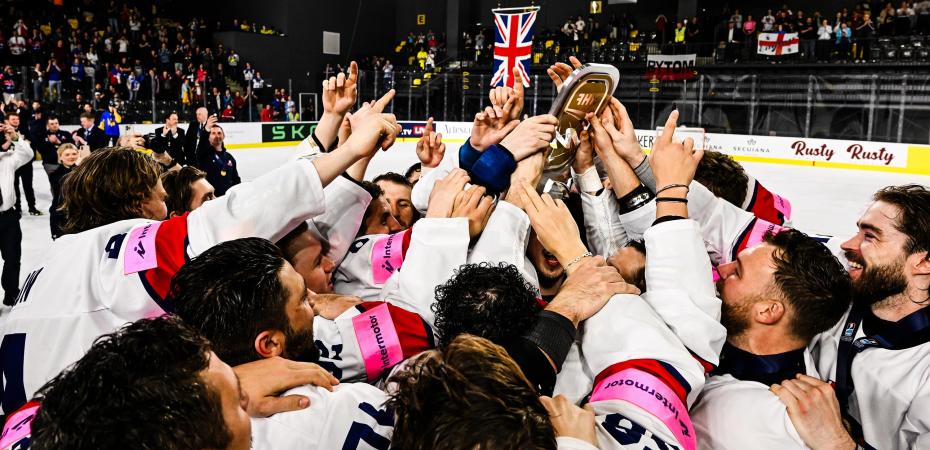
2019, 2021, 2022, 2024 and 2026. Switzerland, here we come!
Great Britain’s achievement in winning gold and promotion will see the nation compete at the highest echelon of world hockey for the fifth time in seven years (Covid year excluded).
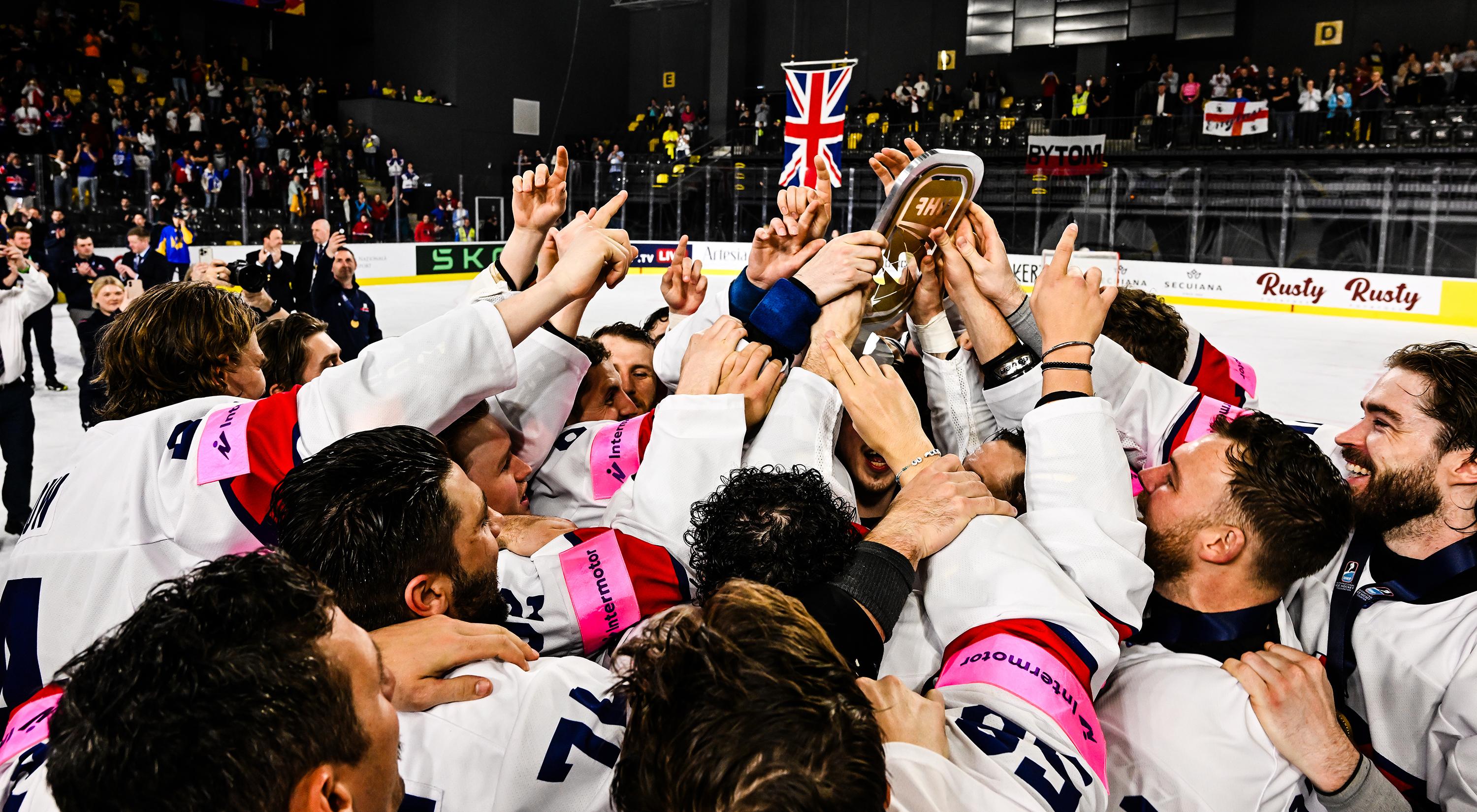
This tournament will rank higher in accomplishment than previous campaigns for various reasons.
• Zero camp time.
• Zero warm-up games.
• The retirement of some of the old guard and three rookies into the fray.
• Liam Kirk was absent for the first two games of the tournament.
• Arguably the toughest Division 1, Group A we’ve witnessed in a long time, with a resurgent Ukraine, Italy and Poland all in the mix for promotion alongside tough opponents in Japan and hosts Romania.
By their admission, early performances lacked fluency and performances not up to scratch.
What it did show was resiliency amongst the group and a knowledge of how to grind out victories at this level from previous tournaments.
Each game was an improvement in standard of performance, finishing the tournament with clinical victories against Italy and Poland to secure gold and promotion.
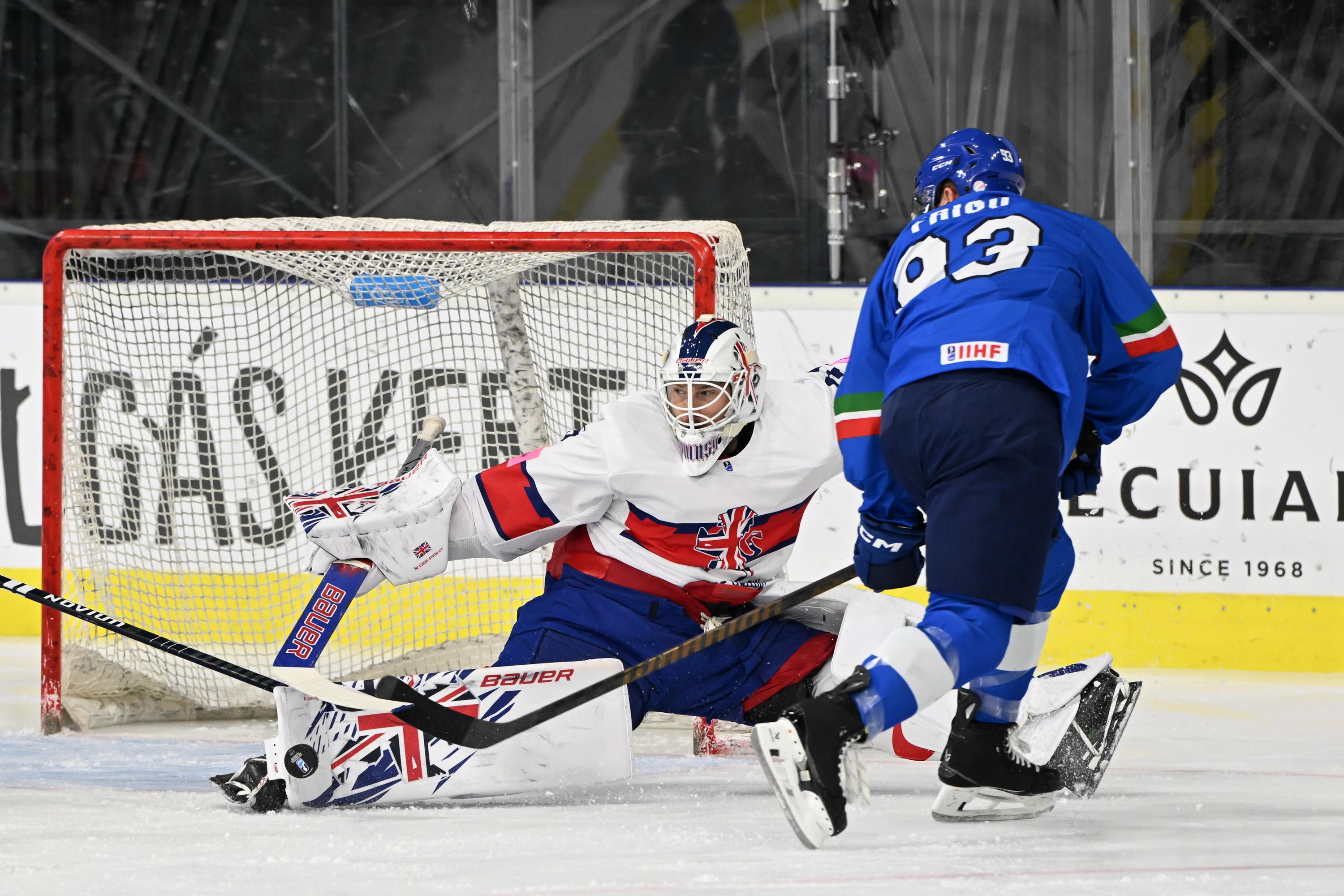
Initial success was helped in no small part than by the tandem between the pipes. Ben Bowns posted a 96.12 save percentage, including a shutout. Jackson Whistle ably backed him up with a 91.53sv% through two games.
It was a strength of the group and enabled both netminders to stay fresh.
The defence improved as the tournament progressed. The offence generated from the blue line played a pivotal role.
Ben O’Connor produced two late tying goals and finished the tournament with five points (3G/2A).
Nathanael Halbert also delivered five points (1G/4A) and scored one of the best goals of the tournament – a delicious backhand finish from the slot on a feed from Liam Kirk.
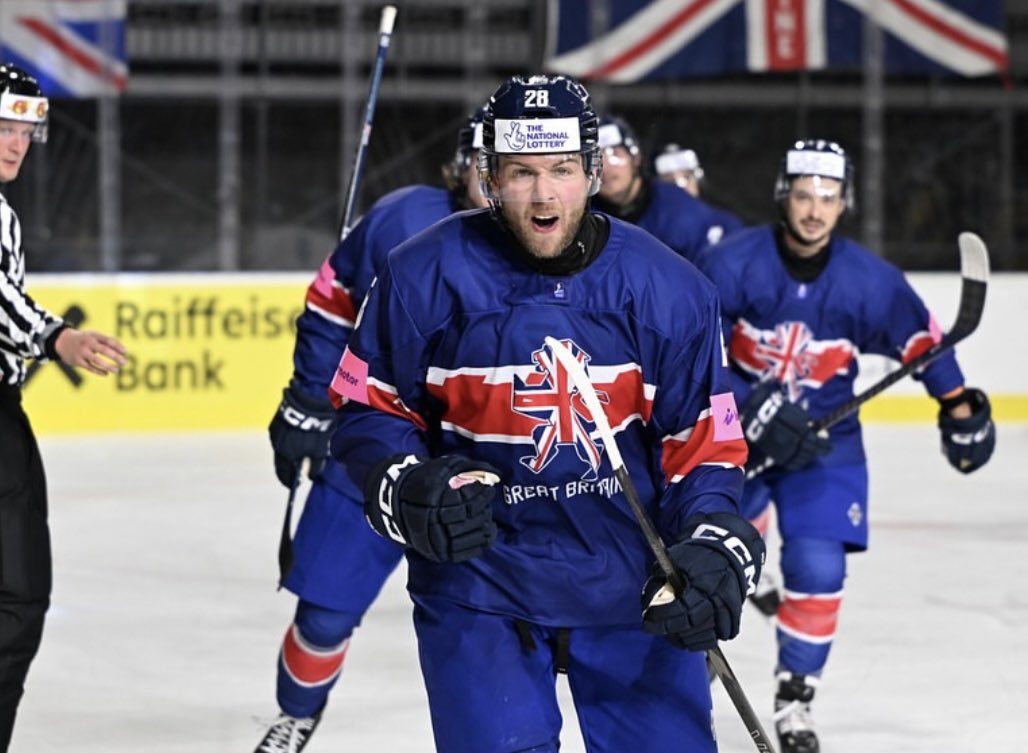
Only Mark Richardson, David Clements, Ben Davies and Logan Neilson failed to register a point as Great Britain scored by committee.
Ten players recorded a goal, and Captain Robert Dowd led the way on his 100th cap for his country.
After opening the scoring against Japan, the Sheffield Steelers forward scored the winner in overtime to cap a momentous game for him and the team.
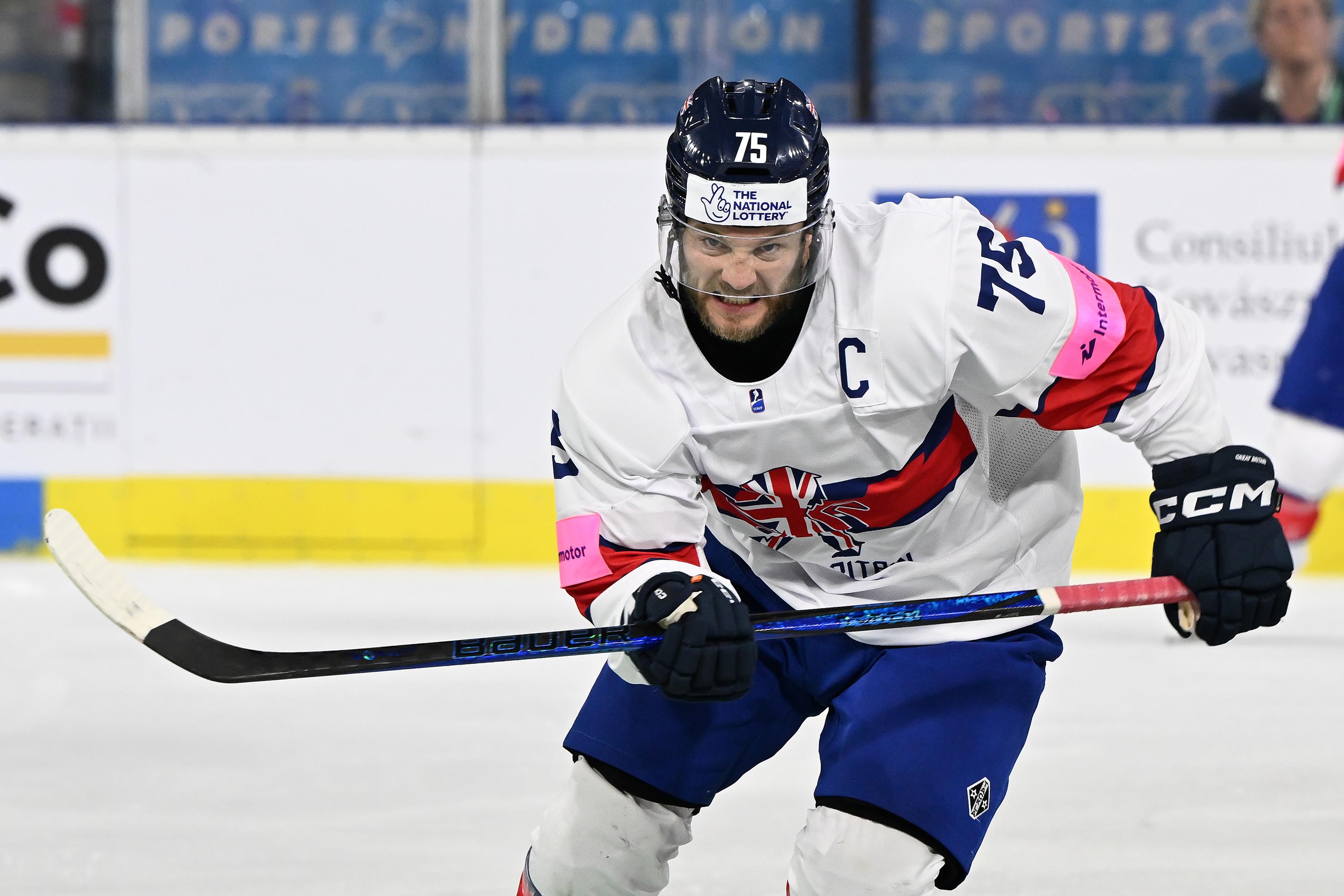
Dowd (3G/3A) and Brett Perlini (1G/5A) registered six points through the tournament, but it was the latecomer to the party who lit the way.
After helping Eisbaren Berlin win the DEL Playoffs, Liam Kirk racked up seven points (3G/4A) in the victories against Japan and Italy. He could even afford to be frustrated in being shut down in the final win versus Poland.
It’s no less than we expect from a player of Kirk’s quality, a player, lest we forget, who was the joint top goalscorer at a World Championships.

Josh Waller continued his propensity for scoring for his nation with three goals (four points), including the game opener against Poland. Waller has seven goals in his last eleven appearances for Great Britain.
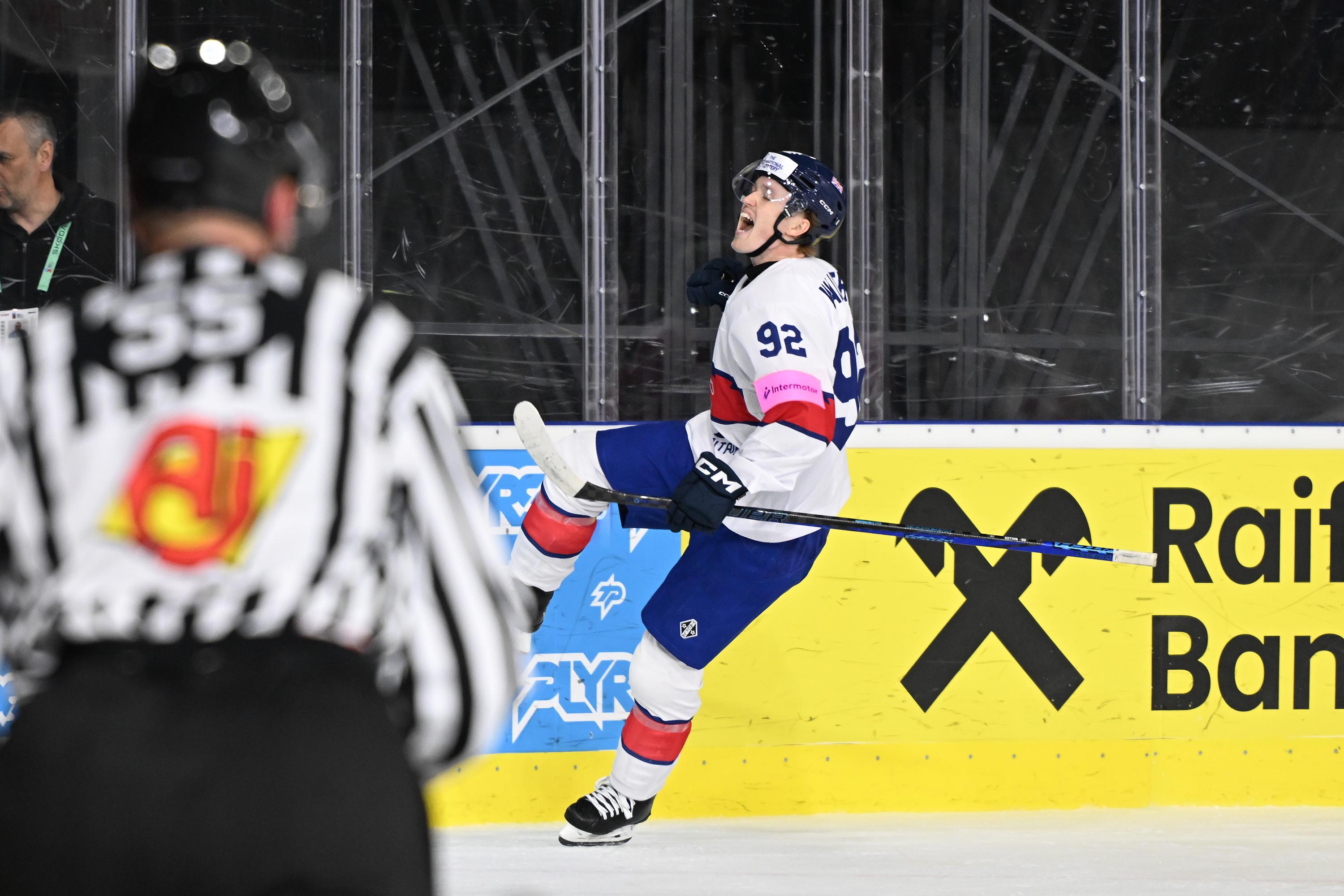
Cade Neilson deserved better than his three-point haul (1G/2A). The same could be said about many other forwards, as even the fourth line generated scoring chances through sheer endeavour and perseverance.
It’s that commitment to hard work and sticking to the systems that have led to consistent success for the men’s program.
For that, Head Coach Pete Russell deserves immeasurably more credit than he has ever received.
Sections of the UK hockey community criticise and often ridicule Russell’s roster selections and his tactics.
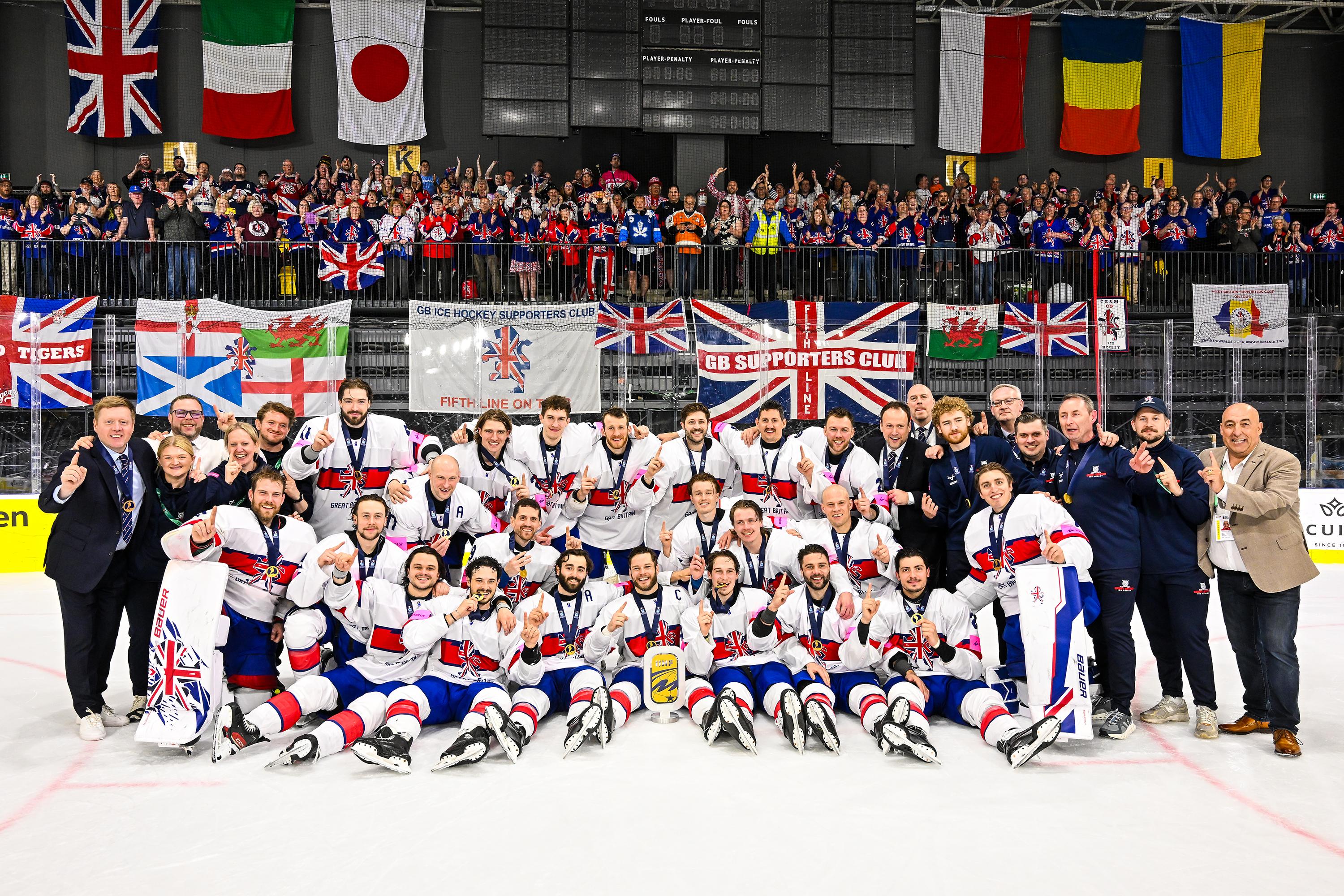
The proof is in the pudding and this latest success is no different.
Of the current roster, only Halbert and Kirk ply their trade outside the UK in better-quality leagues.
The ability to turn a group of native players into a team that can compete against the world elite is something too many in the hockey community have taken for granted. It is especially relevant given the resources available compared to other nations.
In 2014, Great Britain finished fourth in Division 1, Group B. The rise from that point owes much to Pete Russell’s influence.
The task of playing against the world’s best next year in Switzerland is daunting, with doubtless more changes coming to the roster.
Regardless, this success should be celebrated as Great Britain continues to defy the odds, and the doubters and prove they belong at the top table.
If you have enjoyed this article, please consider supporting my work in the links below. No donation is too small, even if it’s just the cost of a coffee. It would be much appreciated. Thank you
 UK Hockey Blog