
Nineteen games have been held since Great Britain’s Men’s hockey team last qualified for the Winter Olympics.
There have been many trials and tribulations after 1948 but arguably the national team is enjoying its best results and performances in the post-war era.
Great Britain spent three of the last IIHF campaigns in the top division and were promoted in between times after suffering relegation.
Although the most recent tournament led to another demotion to Division 1, GB has shown they can compete against the world’s best.

Largely ignored by mainstream media despite success earned while punching above their weight, interest in the minority sport would take a huge leap forward with qualification for the 2026 Winter Olympics Games.
That is easier said than done but on this occasion, there may be a caveat and backdoor entry for qualification.
As the seventeenth seed in the world, Great Britain is a huge underdog in a final qualification group which is hosted by Denmark (10) and includes Norway (11) and Japan (24).

Only the winners of the four-nation group will go forward to the 2026 games held in Milan and Cortina d’Ampezzo, Italy.
Denmark will be fielding NHL talent with the likes of goaltender Frederik Andersen (Carolina), Nikolaj Ehlers (Winnipeg), Oliver Bjorkstrand (Seattle) and Lars Eller (Pittsburgh) amongst their number.
Norway defeated Denmark 2-0 in the most recent World Championships and the rivalry will only step up a notch with what is at stake.
Their 40-year-old captain Patrick Thoresen (Djurgarden) is seemingly revitalised and Norway also has NHL talent in all-time Norwegian NHL leading scorer Mats Zuccarello (Minnesota). Younger NHL prospects Michael Brandsegg-Nygard (Skelleftea) and Stian Solberg (Farjestad) will bolster the Norwegian ranks.
Japan‘s last involvement at the Olympics was the last time they hosted, Nagano in 1998. Recent struggles have seen them mostly play at the third-tier IIHF level and it’s difficult to envisage them making any waves.
Denmark as the first opponent could be seen as a positive or a negative depending on your viewpoint. It wouldn’t be the first time an underdog has caught the higher seed cold in the first game of a tournament in any sport.
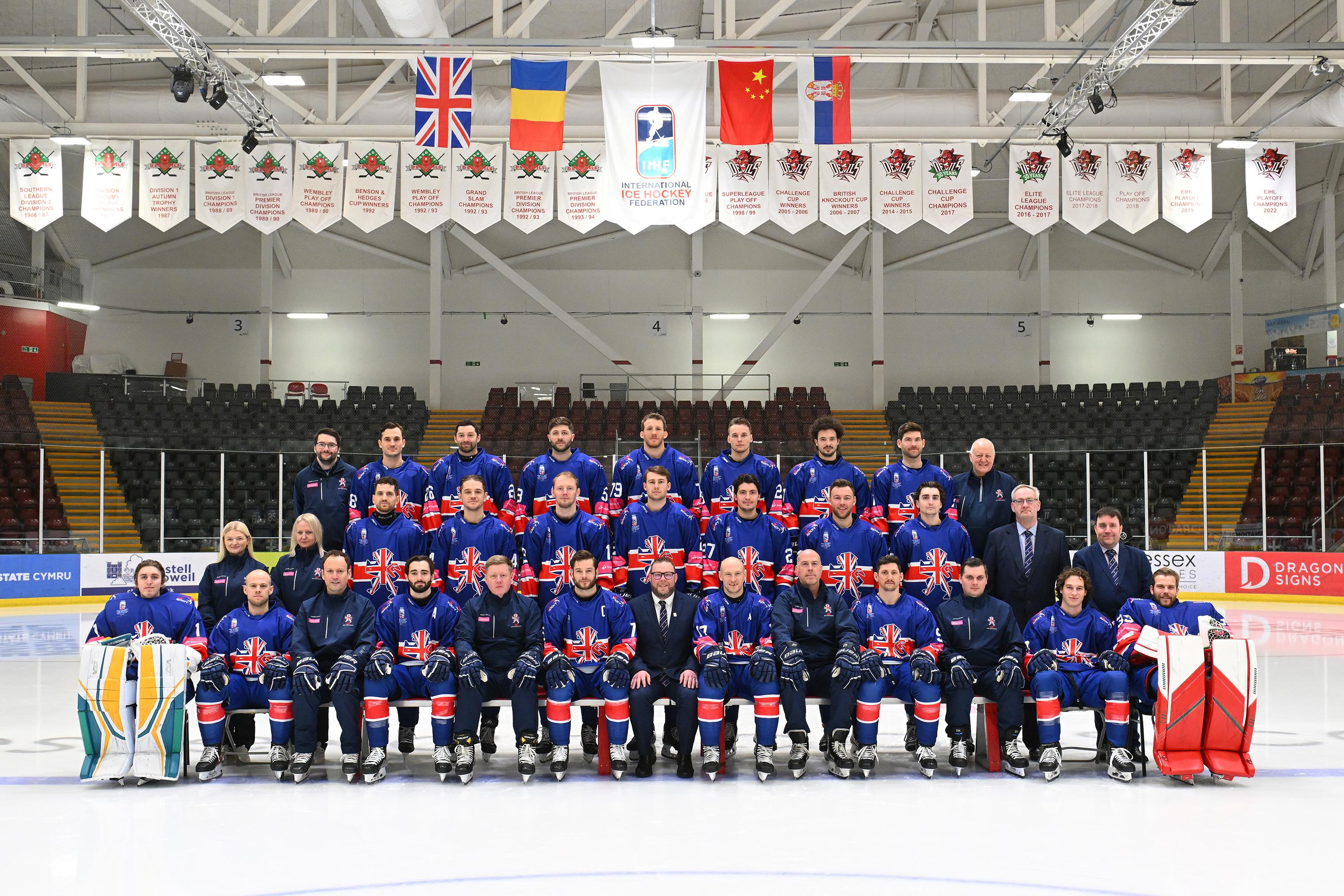
Any positive outcome for GB would be a contender for the best result in the nation’s history.
Whatever the result of the opening game or what follows, Great Britain must achieve the best results and position possible for two reasons.
IIHF rankings points are earned at all tournaments. Earning as many as possible ensures more favourable groups and opponents at future events.
Remember that caveat I mentioned earlier?
The participation of Russia in 2026 is not yet confirmed and depends on whether the team is allowed to return to the IIHF Championship program.
Group A
Canada
Sweden
Switzerland
Italy
Group B
Finland
Germany
Czechia
Qualifier 3
Group C
Russia
United States
Qualifier 1
Qualifier 2
If Russia is once again expelled, a berth has to be filled.
I can only speculate how the IIHF will decide on the nation to replace Russia. It feels conceivable that the nation with the best record in finishing second (across the three final qualification groups) could be granted that spot. Or perhaps a playoff between those three second-placed teams might be an option?
Whatever the outcome or future holds for Russia, Great Britain must give themselves every last opportunity to qualify.
Great Britain Schedule (All times BST)
Thursday 29 August
Great Britain vs. Denmark 18:30
Friday 30 August
Great Britain vs. Norway 14:30
Sunday 01 September
Great Britain vs Japan 11:30
If you have enjoyed this article, please consider supporting my work in the links below. No donation is too small, even if it’s just the cost of a coffee. It would be much appreciated. Thank you
 UK Hockey Blog